What to Ask a Lunch Box Manufacturer Before Your First Bulk Order
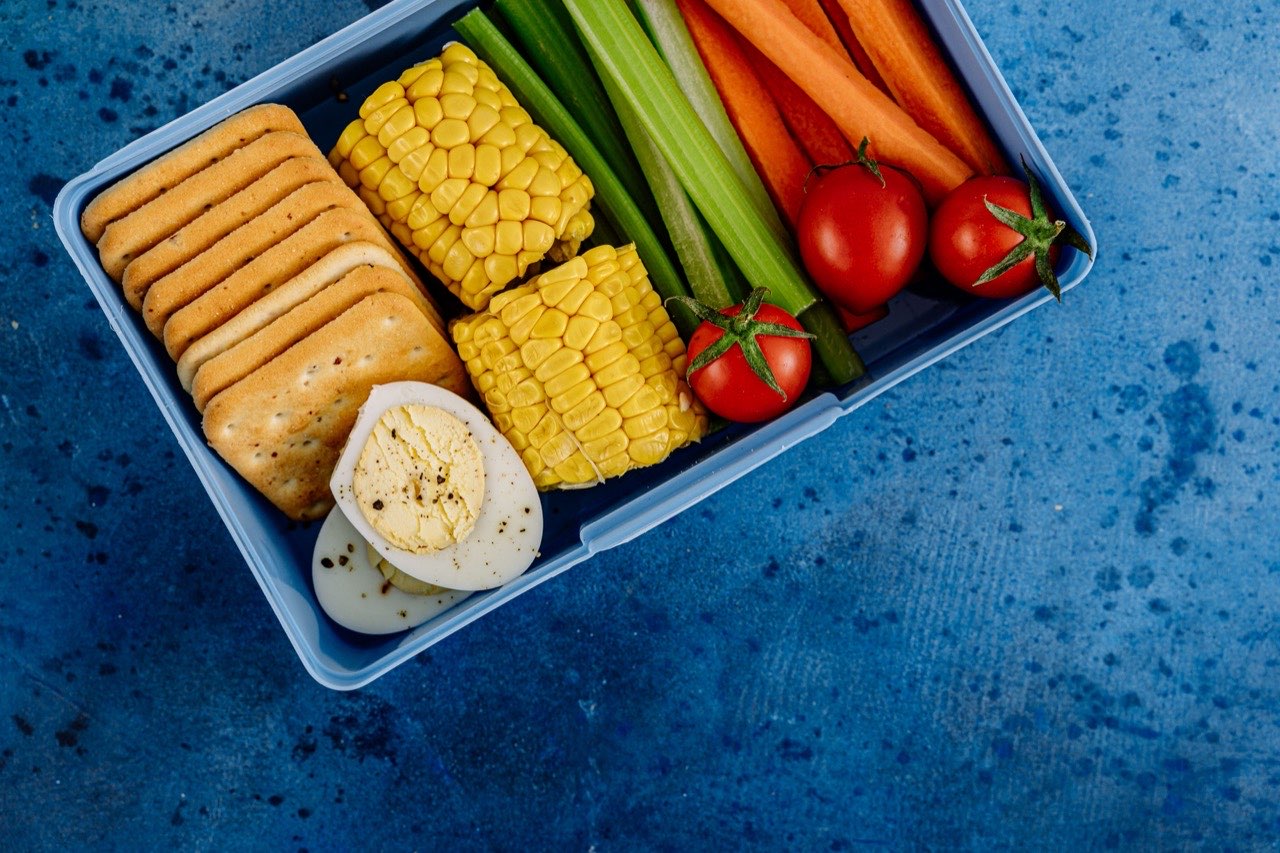
Sourcing lunch boxes in bulk has more moving parts than it looks from the outside. The product itself — a container that keeps food at the right temperature, doesn’t leak, and holds up to daily use — has specific performance requirements that vary a lot depending on who’s using it and how. A lunch box for construction workers has different requirements than one for elementary school kids, which has different requirements than one being sold as a premium lifestyle product.
The questions you ask a manufacturer before placing your first order are what determine whether what arrives matches what you needed. Here’s what’s worth covering.
What Materials Are Used, and Can You Prove It?
This is the first question for any food-contact product, and it needs to go beyond a general claim.
For stainless steel lunch boxes, ask what grade of steel is used for the interior. 18/8 (304 grade) is the food-safe standard — it’s corrosion-resistant, doesn’t transfer metallic taste, and holds up to repeated washing including dishwashers. Lower-grade stainless exists and gets used in cheaper products; it may not perform the same way over time.
For plastic components — lids, latches, dividers — ask whether they’re BPA-free and what the specific material is (typically PP or Tritan for food-contact plastics). Ask for the test documentation rather than just the claim. A manufacturer who can produce a current test report from an accredited lab has actually done the testing. One who sends you a generic certificate without lab identification hasn’t.
If you’re selling in specific markets, ask about the relevant certifications for those markets. FDA compliance for the US, EU food contact material regulations for Europe, LFGB in Germany. The certifications that matter depend on where your customers are.
How Is Sealing and Leak Resistance Tested?
Leaking is the most common complaint about lunch boxes, and it’s also the most preventable — if the manufacturer has a real quality control process for lid seals and closure systems.
Ask specifically: how do you test for leaks? What’s the test method, and is it done on every unit or on a sample basis? A manufacturer with a genuine leak testing process can describe it clearly — fill testing, pressure testing, or both. One who gives a vague answer about “quality checks” probably isn’t doing systematic testing at the unit level.
Also ask about the lid seal material. Silicone gaskets are the standard for quality lunch boxes because they maintain their compression and elasticity over time, even with temperature cycling from refrigerator to microwave. Cheaper seal materials harden or lose shape over time and start leaking after a few months of use.
If the lunch box has multiple compartments or dividers, ask whether each compartment seals independently. For some applications — keeping wet foods from dry foods, or keeping hot from cold — this matters a lot.
What Customization Is Actually Available?
Every manufacturer claims to offer customization. What varies is how deep that customization goes and what the real minimums are.
Ask what can be customized: exterior color, logo application method (screen print, laser engraving, embossing, full-color print), interior color, lid hardware color, packaging. Then ask what the minimum order quantity is for each type of customization. Custom colors often require higher minimums than logo application on a standard color, because a custom color requires a dedicated production run.
Find out the lead time difference between ordering a standard product with logo versus a fully custom color and configuration. For a first order with a new lunch box manufacturer, understanding the timeline for your specific customization requirements affects whether you can meet your launch date.
Get the artwork requirements in writing: acceptable file formats, resolution requirements, color mode (Pantone, CMYK, RGB), and the process for artwork approval. Vague agreements about “your logo on the lid” lead to surprises when production arrives.
What’s the Actual Lead Time for Your Order?
Lead time is one of the most commonly misquoted numbers in manufacturing sourcing, and the gap between quoted lead time and actual delivery is where projects get into trouble.
Ask for the lead time on your specific product and configuration — not a general number, but the lead time for your SKU with your customization at your quantity. Then ask what could extend it: raw material availability, finishing queue, quality hold.
For a first order, also account for the time that happens before production starts. Sample approval alone — sending a production sample, receiving it, reviewing it, requesting revisions, approving — can take two to four weeks if there are any back-and-forth rounds. That time isn’t included in the production lead time.
Ask whether the quoted lead time is based on the current production schedule or a standard estimate. A manufacturer actively managing their order book can tell you where your order would slot in and what’s ahead of it. One giving a standard answer isn’t.
What Does the Sample Process Look Like?
Before committing to a full bulk order, you need a production sample — an actual unit made with your artwork applied using the methods that will be used in bulk production.
Ask what the sample process involves: how long does it take, what does it cost, and what happens if the sample needs revisions. Most reputable manufacturers charge for production samples and charge additional lead time for each revision round. That’s reasonable — what you want to avoid is a manufacturer who turns around samples so fast that they couldn’t have actually been produced correctly.
When the sample arrives, test it properly. Fill it with liquid and invert it for 30 minutes. Put it in a refrigerator overnight and check the lid seal in the morning. Put hot food in it and check whether the exterior gets uncomfortably hot. Open and close the latch 50 times and check whether it still works properly. These are the things your customers will do, and the sample is your chance to find problems before 500 units are on the water.
What’s the After-Sales Policy?
Ask what happens if the bulk order has quality problems. What’s the threshold for a legitimate claim — a certain defect rate, a specific type of defect? How is it handled — replacement, credit, refund? How quickly?
A manufacturer who can answer this clearly has dealt with claims before and has a process. One who deflects or gets vague is one where you’ll be negotiating from a weak position if something goes wrong.
It’s an uncomfortable question to ask before you’ve placed an order, which is exactly why it’s worth asking. The answer tells you something important about how the relationship will go when it matters.