What Questions Reveal Whether a Timing Belt Supplier Actually Manufactures or Just Resells
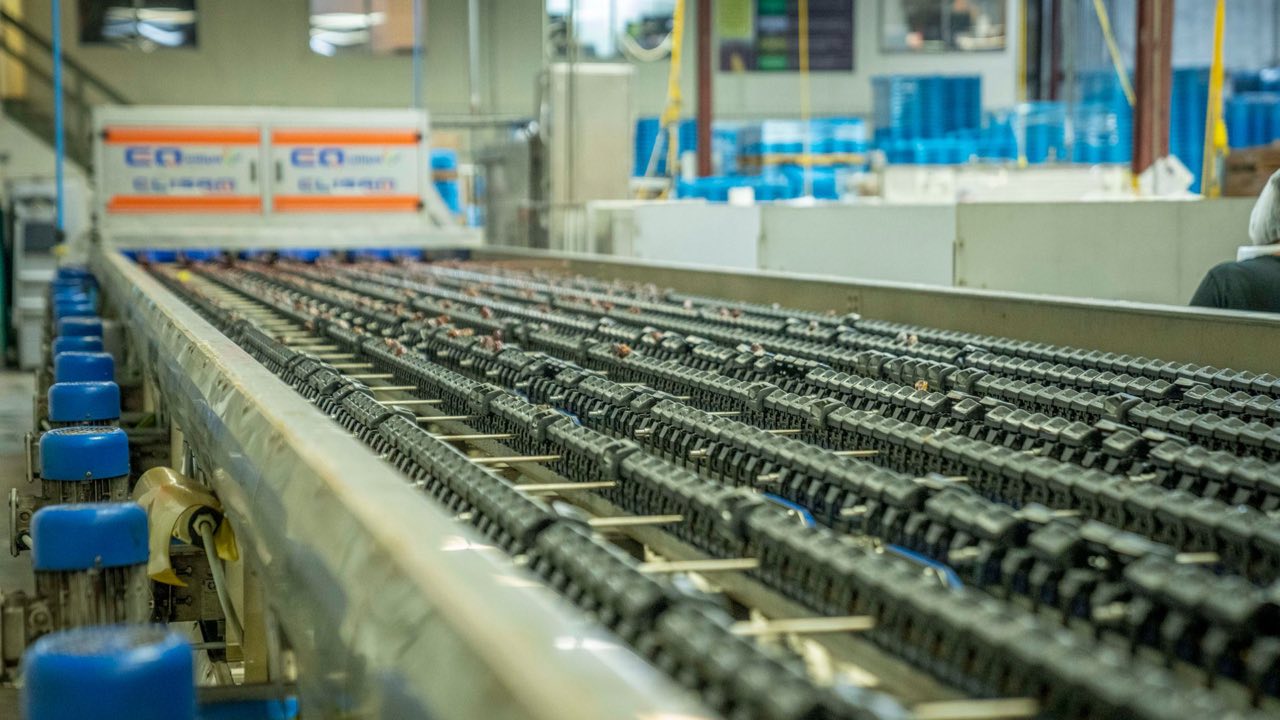
The distinction between a timing belt supplier who manufactures and one who resells matters more than it might seem from the outside. Both can get you product. Both may have similar product pages, similar certifications listed, and similar pricing in the range where distributor and manufacturer prices overlap. The difference shows up when you need something that a reseller structurally cannot provide: meaningful quality traceability, custom specifications, root cause investigation on a field failure, or consistency guarantees that go beyond “we’ll replace it.”
A reseller can tell you what’s on the box. A manufacturer can tell you what’s in it — because they made it.
The challenge is that most resellers don’t advertise themselves as such. Some use language like “we supply” or “we offer” rather than “we manufacture,” which leaves the question open. Others use “we produce” or “our factory” in ways that are technically defensible but misleading. A few simply claim to manufacture when they don’t. Identifying which category a supplier belongs to before committing to a supply relationship is worth the conversation.
Questions That Reveal Manufacturing Capability
The most direct approach is to ask questions that only a manufacturer can answer from their own operations. A reseller can research answers, but they’ll be slower and less specific.
Ask about the production process for the specific belt you’re buying. Not a general description of how timing belts are made, but their process: what mixing equipment do they use for the rubber compound, what’s their tensile cord lay-up method, what are their mold curing parameters for the tooth profile. A manufacturer can describe this concretely. A reseller gives a generic answer or asks to check with “the factory” — which tells you what you need to know.
Ask for process capability data on tooth pitch tolerance. A manufacturer running controlled production collects this data continuously; they can pull up a recent Cpk value or process control chart. This isn’t obscure information for a manufacturer — it’s what quality-conscious production looks like. A reseller doesn’t have it because they don’t run the process.
Ask what happens to a batch that fails incoming inspection. A manufacturer describes their own rejection procedure — what’s done with non-conforming material, how root cause is investigated, what documentation is generated. A reseller’s answer involves contacting the factory, which again identifies the relationship structure accurately.
Questions About Customization
Custom specification requests are another diagnostic. Ask whether they can produce the belt in a different width than their standard catalog. Ask about a pitch modification. Ask about a different compound hardness.
A manufacturer can answer these questions with real information about what’s feasible, what the tooling implications are, what the minimum order would be, and what the timeline looks like. The answer might be yes or no, but it comes from knowledge of their own production capability.
A reseller can only tell you what’s available from the manufacturers they work with. The answer to a custom specification request is often “let me check with our factory” — and then the information that comes back is whatever the factory told them, filtered through someone who doesn’t have direct process knowledge. The customization conversation is slower, the information is less detailed, and the commitment is less reliable because the reseller doesn’t control the production decision.
Questions About Quality Documentation
For regulated applications or programs that require supplier documentation, ask what quality records they can provide with a production order. Specifically: can they provide lot-level measurement data from production, and what’s the retention period for production records?
A manufacturer with a functioning quality system produces lot-level data as a byproduct of production control. They retain it because audits and customer inquiries require it. The answer to “can you provide production records for this lot” is straightforward: yes, here’s what we keep and for how long.
A reseller may be able to obtain documentation from the manufacturer, but they’re dependent on what the manufacturer shares with them, which is often less than what the manufacturer provides to direct customers. A reseller who claims to provide full traceability is passing through whatever traceability the manufacturer provides to them — which may or may not meet the requirements of your quality system.
Questions About Lead Time Variability
Ask why their lead times vary between orders. A manufacturer can explain this from their production schedule — current capacity utilization, where your product sits in their production sequence, raw material lead times that affect their schedule. The explanation is operational and specific.
A reseller explains lead time variability from their inventory position and the factory’s response to their orders. They often don’t know why the factory’s lead time is what it is — they just pass it through. This isn’t necessarily a problem for standard product in standard quantities, but it becomes a problem when you need to plan around predictable lead times or when you need to expedite.
The supplier who can explain their lead times from operational knowledge is the supplier who can also manage them when you need flexibility. Working with a timing belt supplier who has that operational control — because they’re the one operating the production — is the foundation of a supply arrangement that can absorb the schedule variability that every real production program eventually encounters.